
 Épingler
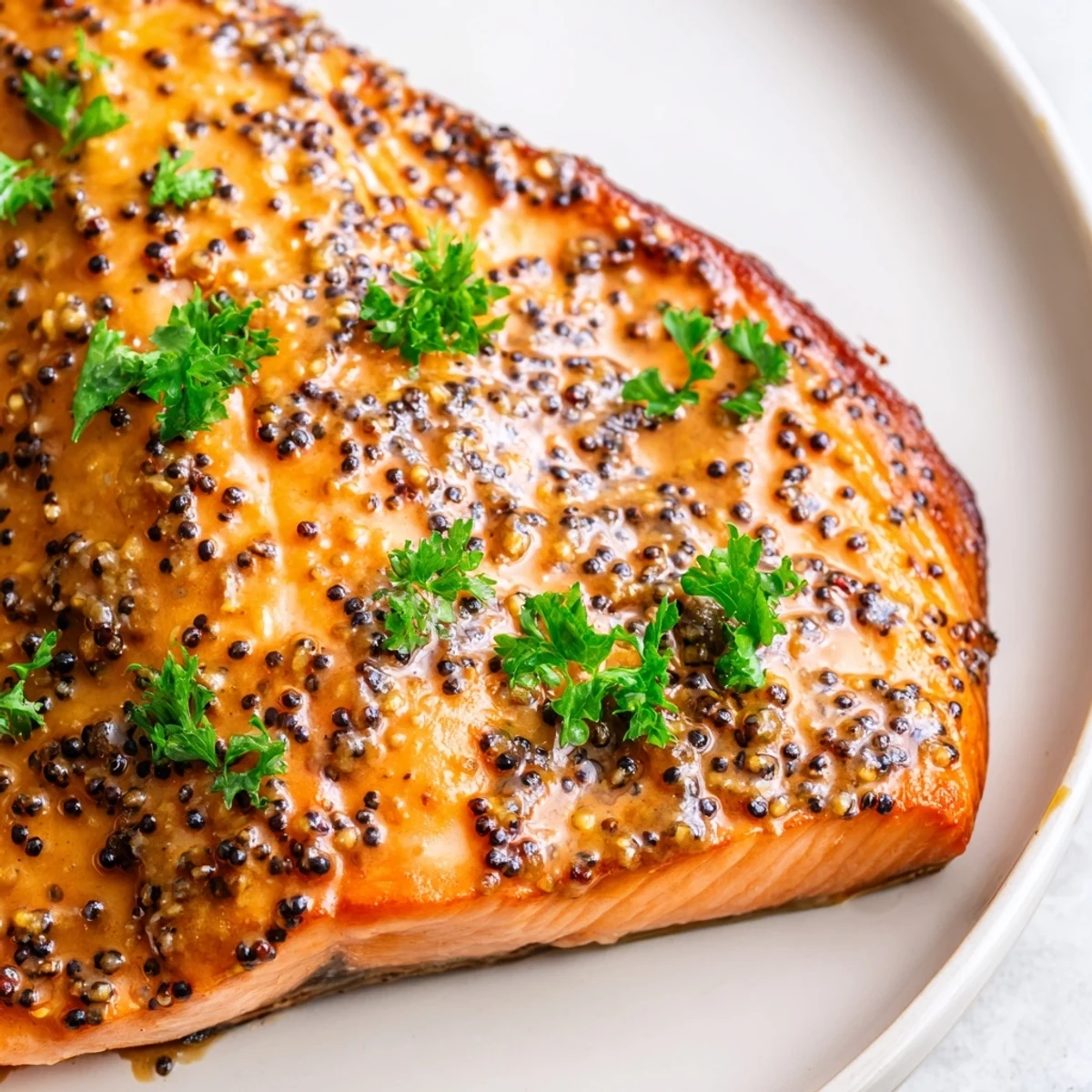
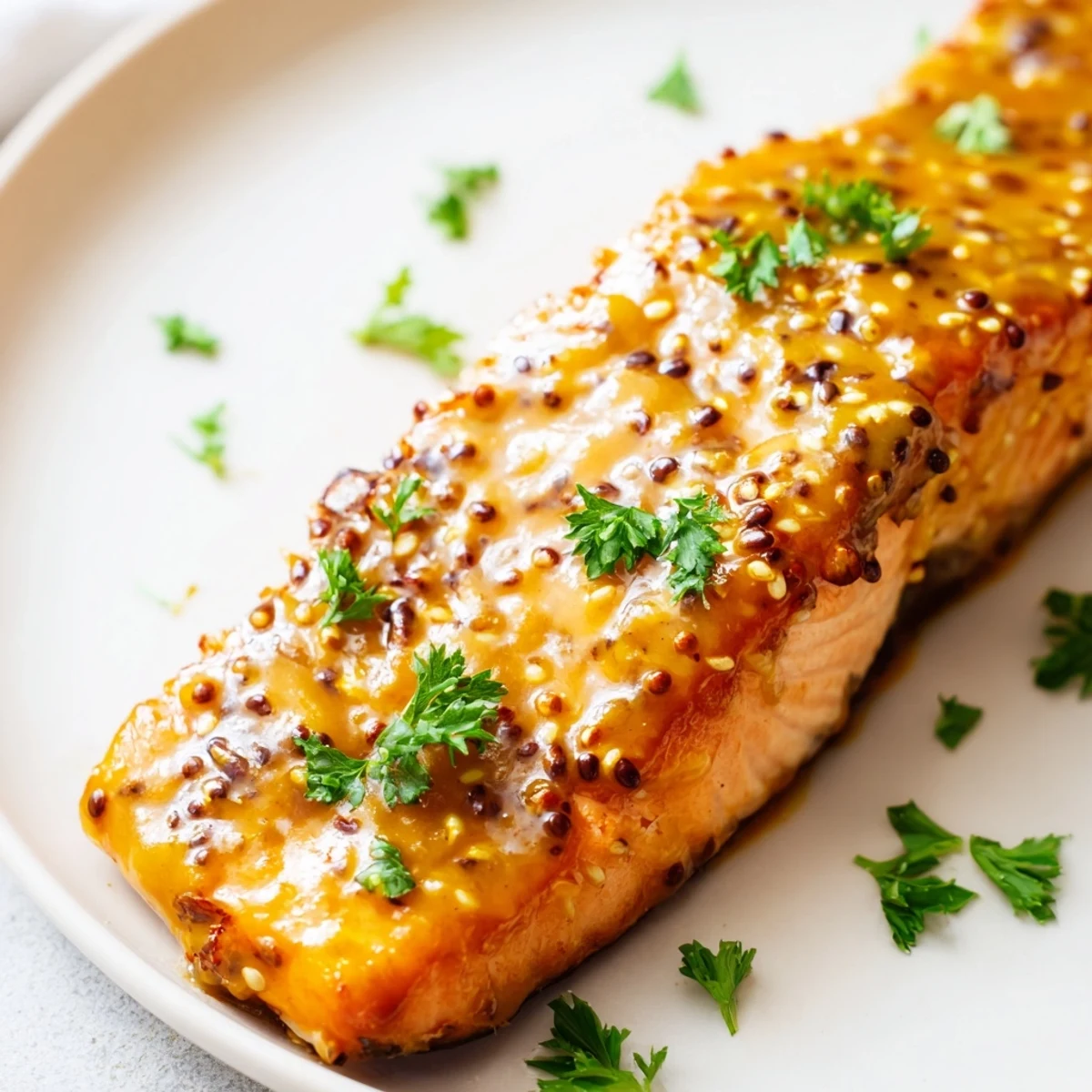
 Découvrez un saumon cuit au four, nappé d'un mélange de miel, moutarde et citron pour une saveur douce et piquante. En quelques étapes simples, illuminez vos plats avec cette préparation rapide et légère. Parfait pour ceux qui recherchent un repas équilibré et savoureux, ce plat se pare d'aromates frais comme le persil ou l'aneth. La cuisson au four garantit une chair moelleuse et fondante, sublimée par le glaçage caramélisé.
There's something about the smell of honey and mustard hitting hot salmon that makes me stop and just breathe it in for a moment. A friend brought this recipe to a casual weeknight dinner years ago, and I was skeptical—honey and mustard sounded like it belonged on a ham, not a delicate fillet. But one bite changed my mind completely, and now it's become the dish I make when I want something elegant without the fuss, or when I need dinner ready in under 30 minutes and still want people to think I've done something special.
I made this for my sister's first dinner after she moved into her own place, and watching her face light up when she took that first bite reminded me why cooking for people matters so much. She called me the next week to say she'd made it three times already, each time feeling a little more confident at the stove. That's when I knew this wasn't just a recipe—it was the kind of dish that gives you permission to feel like a real cook.
Ingredients
- Salmon fillets (6 oz each): Look for fillets that are firm to the touch and smell like the ocean, not fishy. Skin-on keeps them from drying out and adds a nice texture contrast if you're into that.
- Dijon mustard: The smooth, sophisticated one that lives in fancy jars—it's worth seeking out because it dissolves into the glaze instead of staying grainy and separate.
- Whole-grain mustard: This is the one with the little seeds still visible, and it adds tiny bursts of mustard flavor and a rustic look that makes the dish feel less fussy.
- Honey: Use whatever you have, but raw honey has a slightly deeper flavor that doesn't disappear into sweetness alone.
- Olive oil: Just regular olive oil, nothing too precious—it helps the glaze cling and keeps everything from drying out in the oven's heat.
- Lemon juice: Freshly squeezed, always. Bottled tastes tired by comparison.
- Garlic: One small clove, minced fine so it distributes throughout the glaze instead of creating little shocking bursts.
- Fresh herbs: Dill is technically the classic pairing, but parsley is brighter and friendlier if you're not sure which way you're leaning.
Instructions
- Get your oven ready and prep your space:
- Turn the oven to 400°F and let it preheat while you gather everything. Line your baking sheet with parchment paper—this isn't fussy, it's actually lazy genius because cleanup becomes nonexistent.
- Mix the magic:
- In a small bowl, whisk the two mustards, honey, olive oil, lemon juice, minced garlic, salt, and pepper until it looks smooth and slightly glossy. This should take maybe 30 seconds of whisking, and you'll know it's ready when there are no visible streaks.
- Arrange your salmon:
- Place the fillets skin-side down (if using skin-on) on the prepared baking sheet, giving them a little space from each other so they cook evenly. If your fillets are different sizes, tuck the thinner end slightly under so everything finishes at the same time.
- Apply the glaze:
- Spoon or brush the honey mustard mixture generously over the top of each fillet, making sure you cover it all. Don't be shy—you made this glaze for a reason, and it's going to get even more caramelized and beautiful in the oven.
- Into the heat:
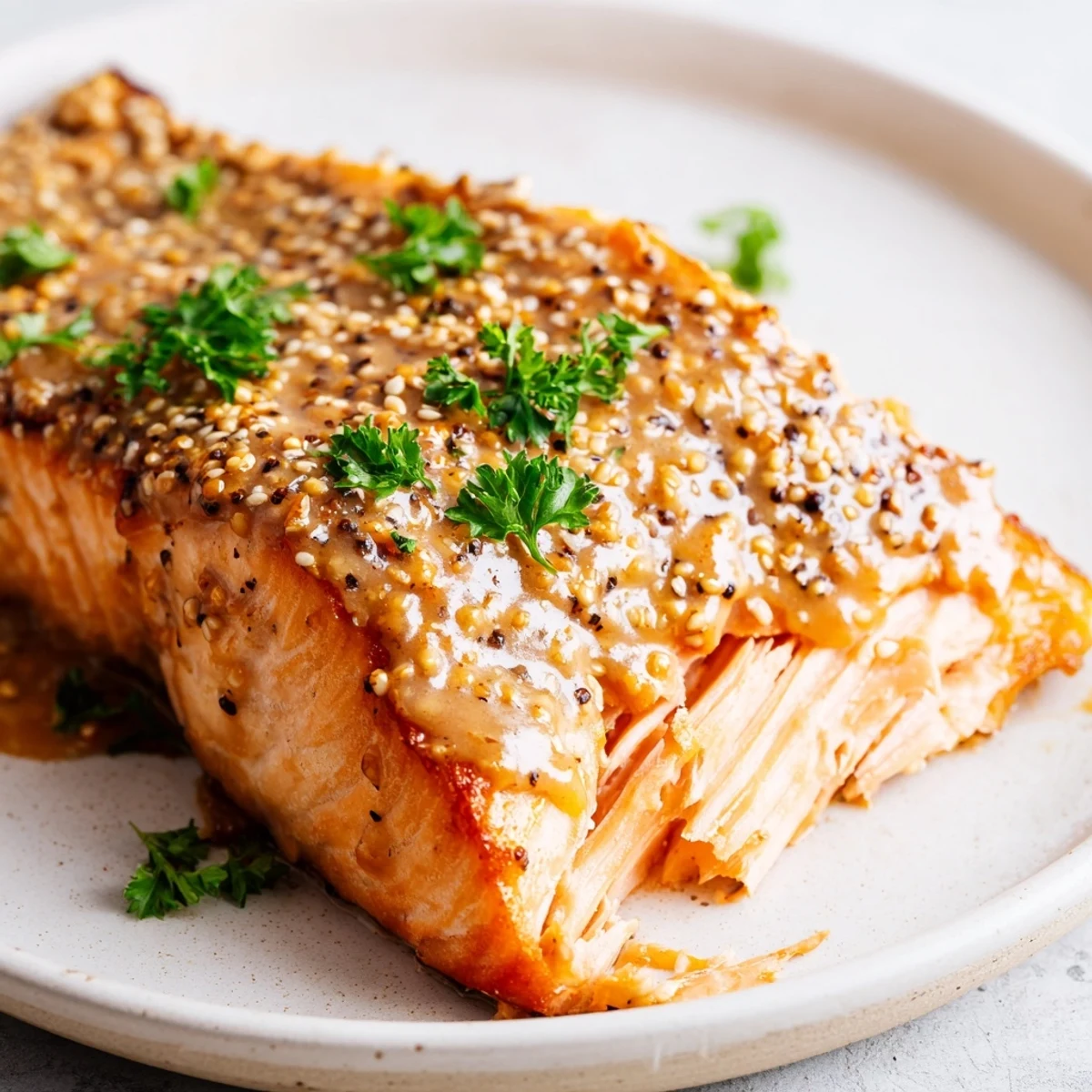
- Slide the sheet into the preheated oven and set a timer for 12 to 15 minutes. The salmon is done when the flesh flakes gently with a fork and the thickest part looks opaque all the way through, but the center still feels just slightly soft to the touch.
- Rest and finish:
- Pull it out and let it sit for a couple of minutes—this is when the carryover cooking finishes the job without overdrying anything. Top with fresh herbs and squeeze of lemon juice before serving.
 Épingler
 I remember my dad sitting at the table with this salmon, and for once he put his phone down and just ate quietly, which is his way of saying something is really, really good. He asked me for the recipe afterward, and the fact that I could write it down on the back of an envelope in three minutes is part of why I love it so much.
When You Want to Take It Further
If you're feeling inspired, throw some asparagus spears or sliced lemon rounds on the baking sheet in the last few minutes. The salmon will perfume them as everything cooks together, and you'll have a complete, gorgeous plate without actually doing any extra work. I've also broiled the salmon for the last minute or two if I'm feeling like the glaze needs more of a caramelized crust, but watch it like a hawk because things move fast under the broiler.
What to Serve Alongside
Roasted vegetables are your easiest friend here—toss some broccoli, Brussels sprouts, or green beans with olive oil and salt and throw them on another sheet at the same time your salmon goes in. If you want something more substantial, a simple risotto or steamed rice soaks up the glaze beautifully. A crisp green salad with a light vinaigrette cuts right through the richness and feels refreshing without making the meal feel heavy.
Small Tweaks That Change Everything
I've experimented with this enough times to know what shifts the flavor profile without breaking what makes it work. Swap the whole-grain mustard for spicy brown mustard if you like heat, or use a grainy Creole mustard if you want something with more character. You could add a teaspoon of maple syrup instead of a teaspoon of the honey for a deeper, earthier sweetness that works especially well in fall. The beauty of this glaze is that it's flexible enough to bend to what you have or what you're craving.
- Try adding a pinch of smoked paprika to the glaze for depth and subtle smokiness.
- A small splash of soy sauce or tamari adds umami complexity without making anything taste Asian—it just makes the salmon taste more like itself.
- If you have fresh thyme, strip the leaves and stir them into the glaze for an herbal note that feels sophisticated without trying too hard.
 Épingler
 This recipe taught me that sometimes the simplest things, made with care and decent ingredients, are what people actually want to eat and remember. It's the kind of dish you can make for yourself on a Wednesday night or pull out for guests on a Saturday, and either way, it feels intentional and generous.
Questions fréquentes sur la recette
- → Comment éviter que le saumon ne sèche à la cuisson ?
-
Pour conserver le saumon moelleux, surveillez la cuisson et retirez-le dès qu'il se défait facilement à la fourchette. Le glaçage aide aussi à garder l'humidité.
- → Peut-on utiliser un autre poisson pour cette préparation ?
-
Oui, des filets de truite ou de flétan peuvent être adaptés avec ce glaçage au miel et moutarde pour un résultat tout aussi savoureux.
- → Comment apporter une touche plus épicée ?
-
Remplacez la moutarde de Dijon par une moutarde brune piquante ou ajoutez une pointe de piment au mélange pour relever la douceur du miel.
- → Quels accompagnements se marient bien avec ce plat ?
-
Des légumes rôtis, du riz vapeur ou une salade verte apportent une belle fraîcheur et équilibrent ce plat riche en saveurs.
- → Peut-on préparer ce plat à l'avance ?
-
Il est préférable de glacer le saumon juste avant la cuisson pour préserver la texture et la fraîcheur des saveurs, mais le saumon peut être préparé et stocké au réfrigérateur jusqu'à l'étape de glaçage.