
 Épingler
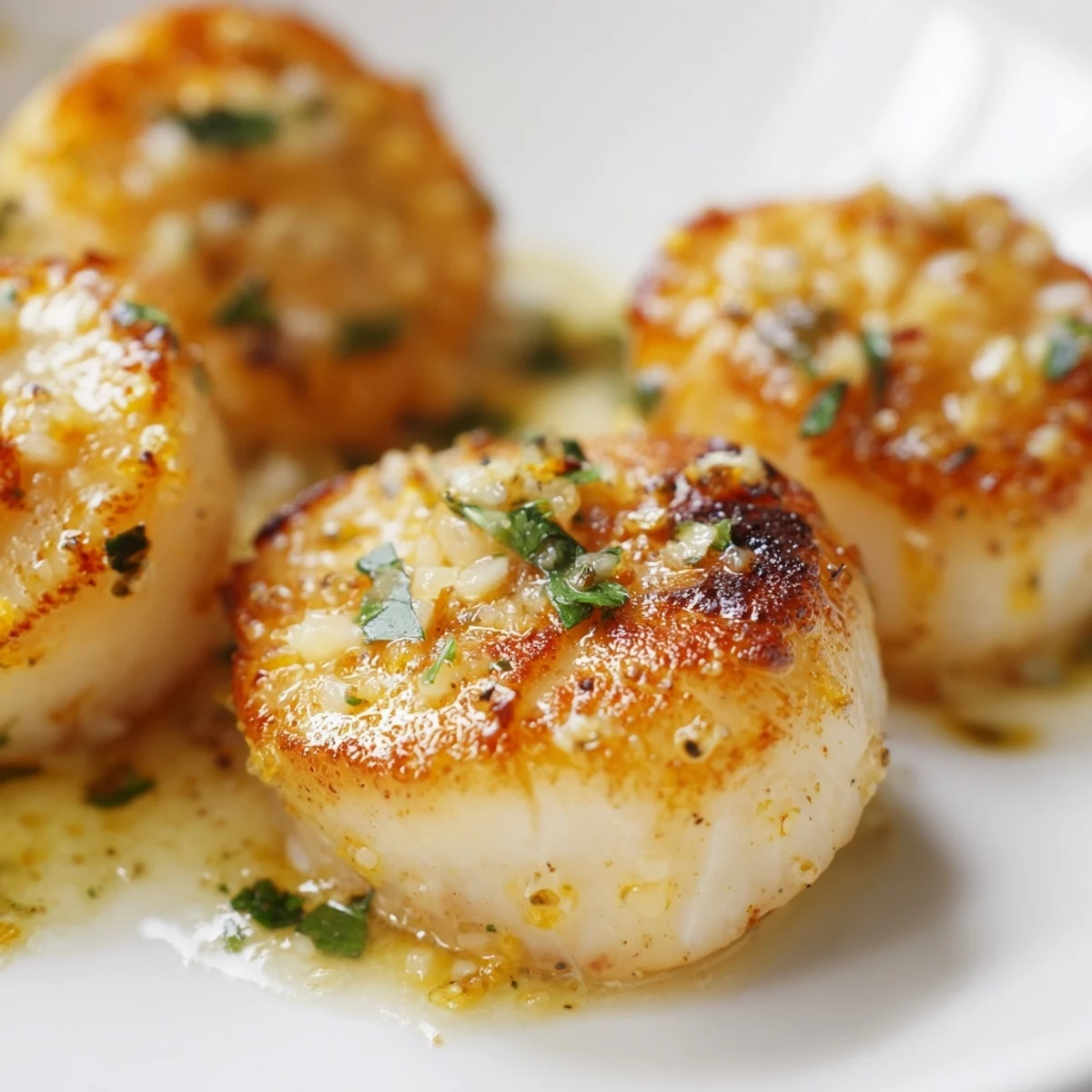
 Découvrez des pétoncles de mer tendres, soigneusement saisis pour obtenir une croûte dorée parfaite. Ils sont nappés d'une sauce au beurre citronné et ailé, apportant une touche acidulée et raffinée. En seulement quelques minutes, cette préparation simple et rapide sublime les saveurs naturelles des fruits de mer tout en restant légère et élégante. Parfaite pour une entrée gourmande ou un plat principal léger, elle séduit par son équilibre entre douceur et fraîcheur.
There's something almost magical about the sizzle of scallops hitting a hot pan—that immediate, urgent sound that tells you something spectacular is about to happen. I discovered this dish by accident one evening when I had beautiful scallops sitting in my fridge and decided to stop overthinking dinner. The simplicity of it shocked me: just a few minutes of heat, a squeeze of lemon, some garlic, and suddenly you've got something that tastes like you've been cooking fancy meals your whole life.
I made this for someone I was trying to impress once, and I'll admit I was nervous—scallops have this reputation of being unforgiving. But watching their face when they took that first bite, when the butter and lemon just hit their palate, made me realize that restaurant-quality doesn't require complexity, just respect for good ingredients and confident technique.
Ingredients
- Scallops (1 lb, large and dry-packed): This is where everything starts—dry-packed scallops won't release water when you sear them, which means you get that gorgeous golden crust instead of steam.
- Olive oil (2 tbsp) and unsalted butter (1 tbsp for searing): The combination gives you a higher smoke point than butter alone while keeping that rich flavor.
- Garlic (3 cloves, minced): Fresh garlic added at the end stays bright and peppery instead of turning bitter—timing matters more than quantity here.
- Fresh parsley (2 tbsp chopped): It's not just garnish; the green herbaceousness balances the richness of the butter.
- Unsalted butter (2 tbsp for sauce): This is where the luxe factor lives, emulsified with lemon juice into something almost creamy without any cream.
- Lemon zest and juice: Use fresh lemons—the zest brings a subtle floral note that bottled juice can't match.
- Sea salt and freshly ground black pepper: Season boldly; scallops need the encouragement.
Instructions
- Get your scallops ready:
- Pat them completely dry with paper towels and season both sides with salt and pepper. Moisture is the enemy of a good crust, so spend the extra 30 seconds on this step—it genuinely changes everything.
- Heat your pan properly:
- Get your large skillet smoking hot over medium-high heat with the oil and butter. You want that shimmer, that slight haze—that's your signal the pan is ready to sear.
- Sear without moving:
- Place scallops in a single layer with space between each one, then resist the urge to fidget. Leave them undisturbed for 2–3 minutes until you see that deep golden color forming on the bottom.
- Flip and finish:
- Turn each one over and give the other side just 1–2 minutes until the flesh turns opaque and pulls away slightly from any roe. Overcooked scallops become rubbery; just cooked through is the sweet spot.
- Build the sauce:
- Remove the scallops to a plate, reduce heat to medium, and add the 2 tbsp butter. When it foams, add your minced garlic and cook for just 30 seconds—you want fragrant, not browned.
- Finish with brightness:
- Stir in the lemon zest and juice, scraping the pan to dissolve any browned bits, and let it bubble for a minute. The sauce comes together in seconds; it should taste bright and buttery, not acidic.
- Come together:
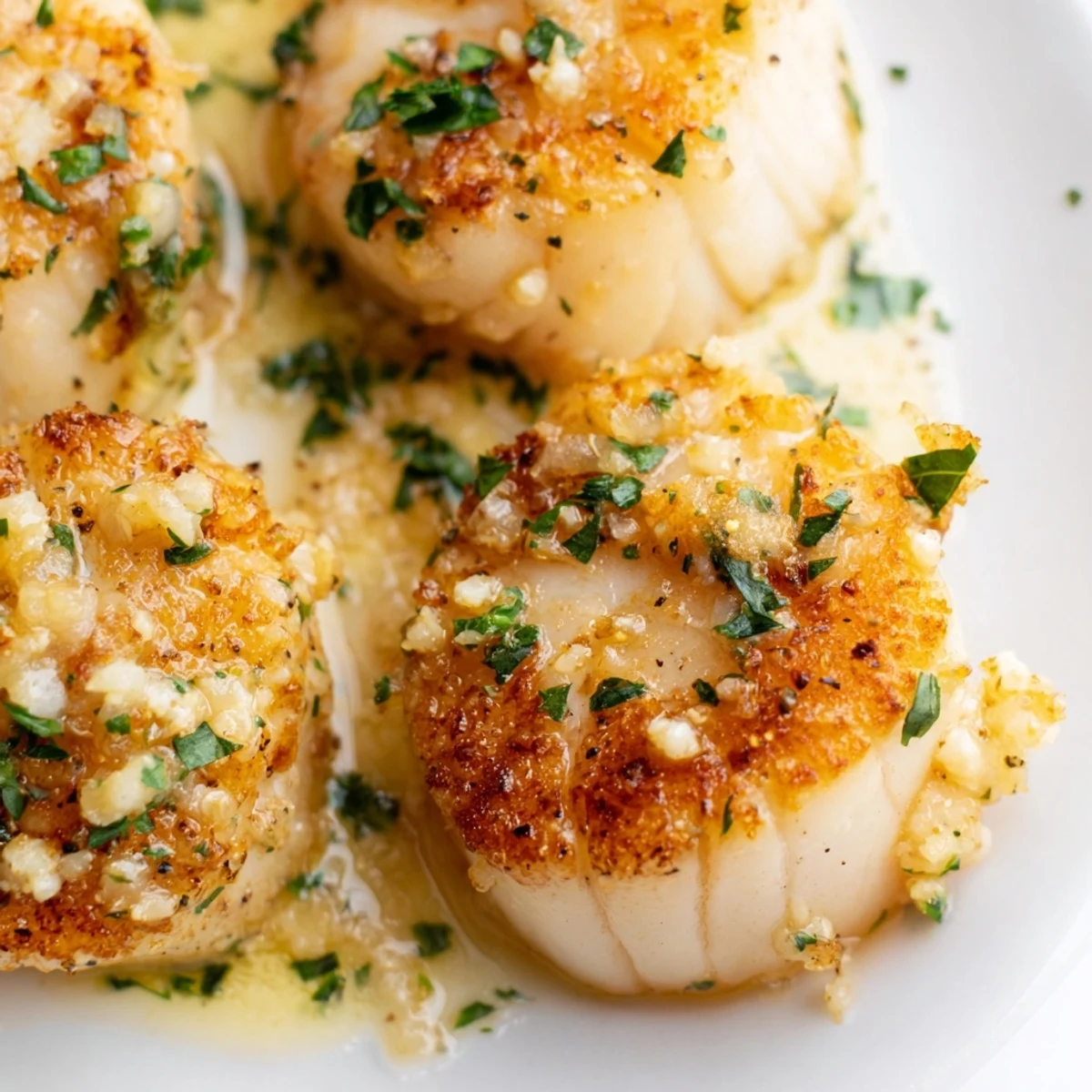
- Return the scallops to the pan, spoon that golden sauce over them, and scatter with parsley. Serve immediately while everything is still warm and the scallops are at their best.
 Épingler
 There's a quiet moment right when you return the scallops to that buttery pan, when the aroma rises up and fills your whole kitchen. That's when I realized this dish isn't just about feeding yourself or someone else—it's about that brief, concentrated experience of cooking something beautifully.
The Art of the Crust
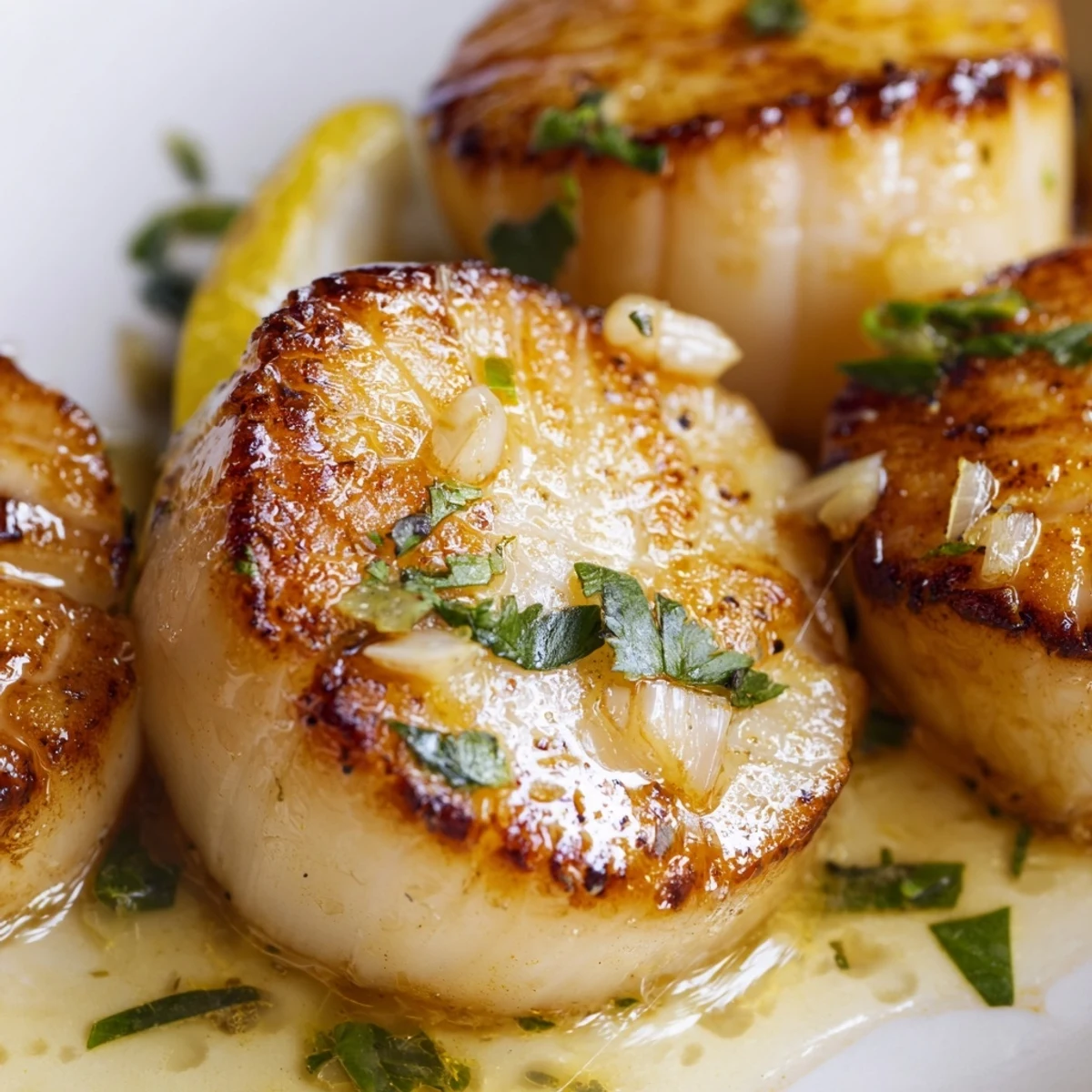
The golden crust is where the real flavor lives. That happens through patience and dryness, not through higher heat or longer cooking. If your pan isn't hot enough, the scallops will release moisture and you'll get steaming instead of searing. If they're not dry enough, no amount of heat will help. I learned this the hard way by trying to rush it, and now I treat those paper towels like they're the most important tool in the kitchen.
Pairing and Serving
This dish doesn't need much accompaniment, but it loves having something to lean against. A pile of creamy risotto, a tangle of buttered pasta, or a heap of garlicky sautéed greens all work beautifully because they absorb that lemon-butter sauce. Serve with a crisp white wine—Sauvignon Blanc or Pinot Grigio—and watch how the acidity in the wine echoes the lemon in the pan.
Make It Your Own
Once you understand how this works, you can play with it. Some nights I add a pinch of red pepper flakes, other times a whisper of white wine to deglaze the pan before the lemon juice hits. The foundation is solid enough that it invites improvisation rather than demanding strict adherence.
- If you're dairy-free, a quality plant-based butter works in a pinch, though the sauce loses a bit of its silky finish.
- Frozen scallops are fine if that's what you have—just make absolutely sure they're thawed and dried before they touch the pan.
- Lemon wedges and extra parsley aren't just garnish; they're your invitation to brighten each bite exactly how you want it.
 Épingler
 This is the kind of dish that reminds you why cooking is worth doing. Ten minutes of focused attention and you've created something that tastes like you've been perfecting it for years.
Questions fréquentes sur la recette
- → Comment obtenir une croûte dorée parfaite sur les pétoncles ?
-
Il faut bien sécher les pétoncles avant cuisson et les saisir dans une poêle bien chaude sans les déplacer trop tôt.
- → Puis-je utiliser du beurre végétal à la place du beurre traditionnel ?
-
Oui, un substitut à base de plantes fonctionne bien pour préserver la richesse de la sauce.
- → Quelle est l'importance du jus et du zeste de citron dans cette préparation ?
-
Ils apportent une acidité fraîche qui équilibre la douceur du beurre et relève la saveur des pétoncles.
- → Comment accompagner ce plat pour un repas complet ?
-
Il se marie parfaitement avec un risotto crémeux, des pâtes légères ou des légumes sautés.
- → Quelle variété de vin est idéale avec ce plat ?
-
Un vin blanc sec comme un Sauvignon Blanc ou un Pinot Grigio complète bien les saveurs.