
 Épingler
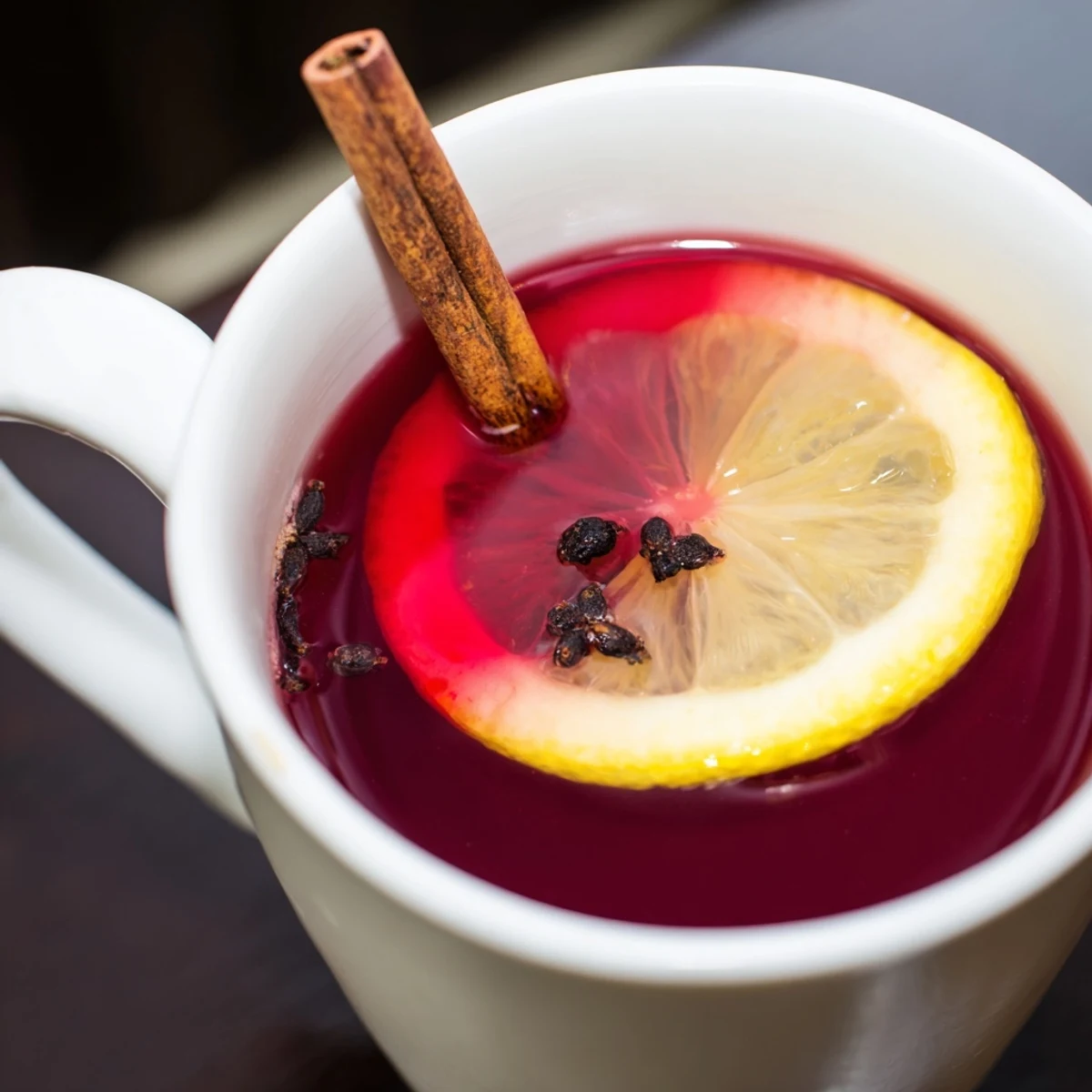
 Cette infusion aux canneberges et citron offre un équilibre parfait entre acidité et fraîcheur. Les fruits sont doucement mijotés avec de l'eau et des épices comme la cannelle et les clous de girofle, puis infusés avec le citron pour libérer des arômes vifs. Sucrée naturellement avec miel ou sirop d'érable, la boisson se savoure chaude ou glacée, idéale pour accompagner les après-midis calmes ou les moments festifs.
Last November, I stood in my kitchen watching the rain streak down the windows and realized I had no tea that felt right for the weather. My hands reached for fresh cranberries almost on instinct—something about their deep red color promised exactly the kind of warmth I needed. That first cup, pale pink and steaming, became a ritual I've returned to ever since. There's something about the tartness cutting through sweetness that makes you feel both comforted and awakened at once.
I made this for my sister on a Sunday morning when she was stressed about everything, and she drank three cups without saying much. When she finally spoke, she just said the warmth helped. Small moments like that remind me why I keep cooking.
Ingredients
- Fresh or frozen cranberries (2 cups): Use whatever you have—frozen actually works beautifully and means you can make this anytime without hunting for fresh berries.
- Lemon (1, sliced): Don't skip this, the brightness is essential and it feels almost medicinal in the best way.
- Water (4 cups): Cold water is fine, it all becomes one once it heats.
- Honey or maple syrup (3–4 tablespoons): Start with less and taste as you go, you can always add more sweetness but you can't take it out.
- Cinnamon stick (1, optional): If you add this, let it simmer the whole time for warmth that creeps in slowly.
- Whole cloves (2–3, optional): These are optional but they add a complexity that makes people ask what's in the tea.
Instructions
- Combine and boil:
- Dump the cranberries, water, and cinnamon stick into a medium saucepan and turn the heat to medium-high. Watch for the moment it comes to a rolling boil—it's oddly satisfying.
- Simmer until they burst:
- Lower the heat and let it bubble gently for about 10 minutes, the cranberries will begin to pop and the water will turn a deep, jewel-tone red. You'll know it's ready when the color is rich and the berries are soft.
- Steep with citrus and spice:
- Take it off the heat, add your lemon slices and cloves if you're using them, and let everything sit for 5 minutes. This is when the flavors meld and get more interesting.
- Strain into something beautiful:
- Pour everything through a fine mesh strainer into a teapot or pitcher, pressing gently on the cranberries to release any remaining tea. The solids go to the compost, the liquid is what we want.
- Sweeten to your taste:
- Stir in honey or maple syrup while the tea is still hot so it dissolves completely. Taste it, and if you want it sweeter, add more—this is your tea, not a restaurant's.
- Pour and serve:
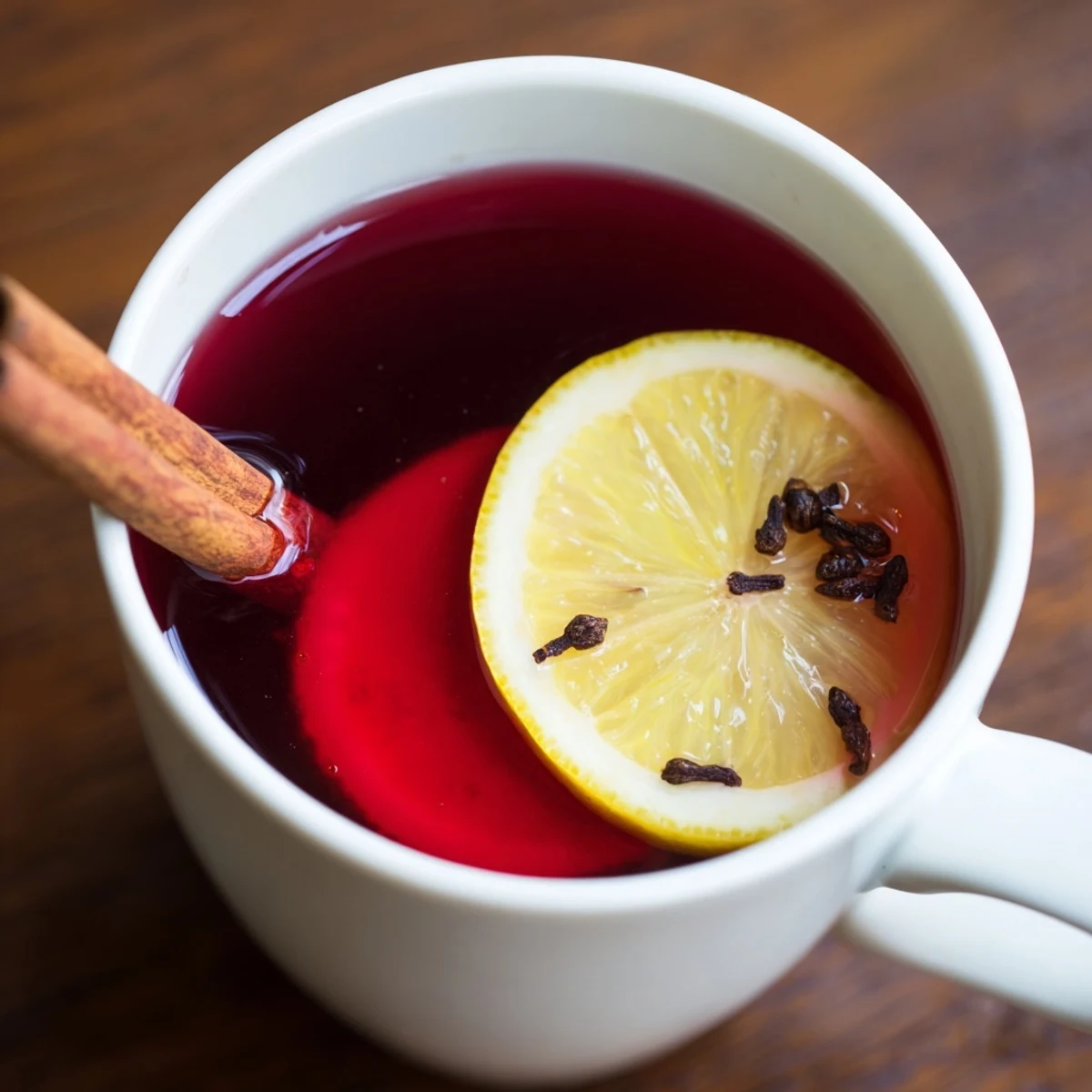
- Pour into cups or mugs, you can add extra lemon slices if you want to be fancy, and drink it while it's still steaming.
 Épingler
 My neighbor smelled this brewing one afternoon and came over with her daughter, and we ended up sitting on the back porch for an hour talking about nothing important. It became the tea we make together now whenever the weather turns cold.
Making It Your Own
This is such a flexible recipe that it practically invites you to experiment. I've made it with orange instead of lemon when I wanted something softer and rounder, and with fresh ginger sliced thin when I needed something that felt medicinal. The skeleton stays the same but the personality changes with what you add.
Serving and Storage
Serve it hot in the moment, but it's also lovely cold the next day poured over ice on a warmer afternoon. It keeps in the refrigerator for a few days, though the flavor fades a little each day so it's best fresh. This recipe makes four servings but I often double it because people ask for seconds more often than you'd expect.
Why This Drink Works
There's something almost therapeutic about making this tea, the way the kitchen fills with steam and your hands warm around the cup. It's simple enough that you never feel like you're struggling, but intentional enough that you feel like you've made something real. This is the kind of recipe that works for quiet mornings or crowded afternoons, for when you need comfort or when you want to offer comfort to someone else.
- The tartness means you taste every sip instead of zoning out halfway through.
- You can make it fancy with the right cup or casual in a mug, it doesn't care.
- It's the kind of drink that makes people feel like you've done something thoughtful, even though it's genuinely this easy.
 Épingler
 This tea has become something I reach for without thinking now, the way some people reach for coffee. It's become a small ritual that centers me, and I hope it does the same for you.
Questions fréquentes sur la recette
- → Comment préparer une tisane aux canneberges?
-
Faites bouillir les canneberges avec de l'eau et des épices, puis laissez mijoter. Ajoutez le citron après cuisson et laissez infuser avant de filtrer.
- → Peut-on sucrer avec d'autres ingrédients?
-
Oui, miel ou sirop d'érable conviennent pour adoucir tout en respectant les saveurs naturelles.
- → Quels épices utiliser pour relever la boisson?
-
Cannelle et clous de girofle apportent une nuance chaleureuse et aromatique. Vous pouvez aussi ajouter un peu de gingembre frais.
- → Comment servir cette infusion au mieux?
-
Elle se déguste chaude pour se réchauffer ou froide sur glace pour une version rafraîchissante.
- → Peut-on remplacer le citron par un autre agrume?
-
L'orange peut être utilisée pour une note plus douce et sucrée tout en conservant la fraîcheur.