
 Épingler
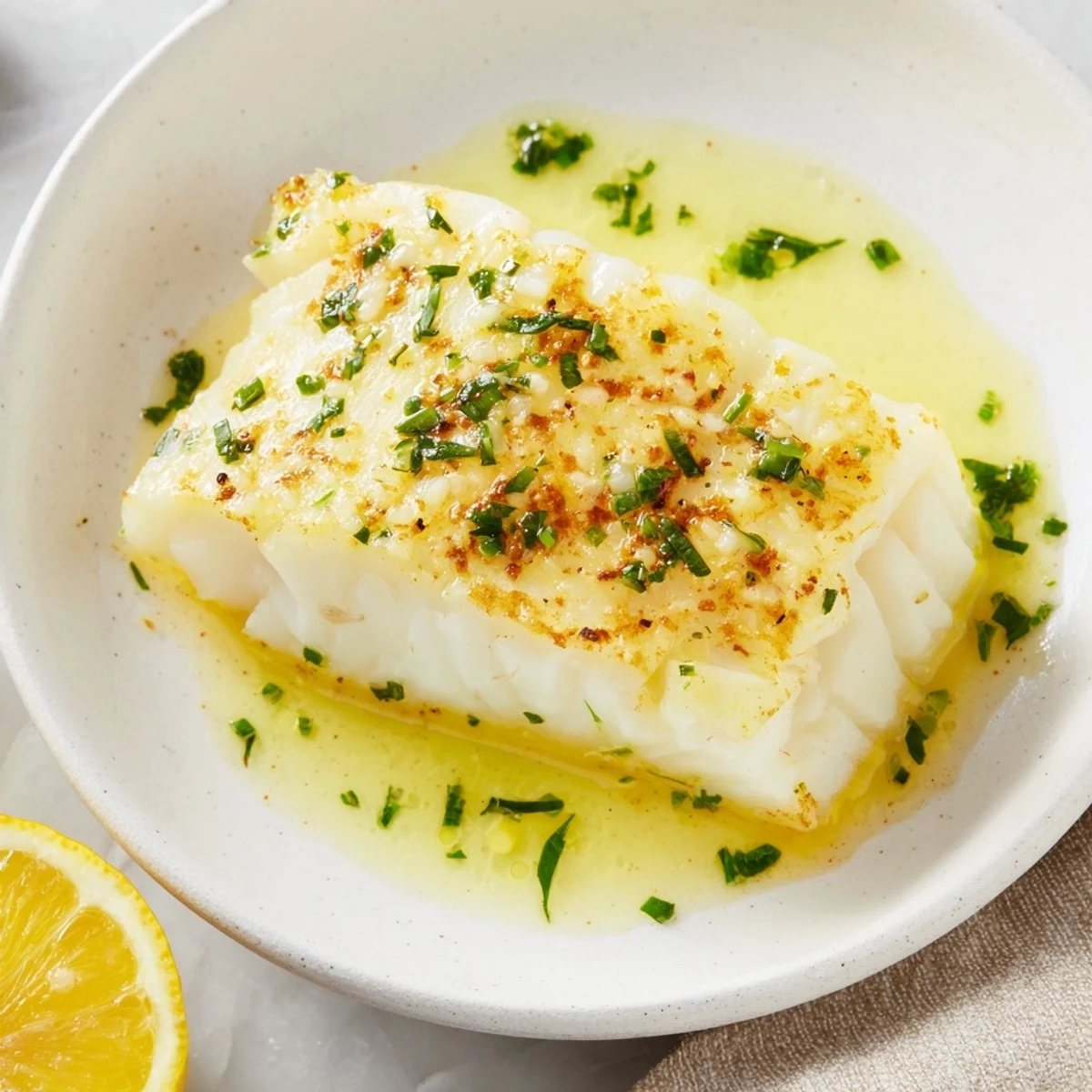
 Découvrez une cuisson simple du cabillaud tendre, sublimé par une sauce onctueuse au beurre et citron. Le poisson est cuit au four pour conserver sa texture moelleuse et ses saveurs naturelles. La sauce citron apporte une fraîcheur vibrante, équilibrée par le beurre doux et l'ail légèrement sauté, rehaussée d'un zeste et de persil frais. Un plat parfait pour un dîner léger et raffiné, pouvant s'accompagner de légumes vapeur ou pommes de terre rôties.
There's something about the smell of butter melting in a pan that makes you forget how rushed your day has been. One evening, I was standing at the stove with about twenty minutes before guests arrived, and I remembered my grandmother's trick: a perfectly cooked piece of fish doesn't need much, just heat, a little fat, and something bright to cut through the richness. That's when baked cod with lemon butter sauce became my go-to—it feels restaurant-quality but asks almost nothing of you.
I made this for my sister after she mentioned wanting to eat lighter but not sacrifice flavor, and watching her clean her plate told me everything I needed to know. The lemon juice hits you first, bright and alive, then the butter rounds it all out into something that doesn't feel like a compromise at all.
Ingredients
- Cod fillets (4, about 170 g each): Look for thick, creamy-colored fillets without any brownish edges—the thickness matters because thin ones dry out in seconds.
- Olive oil (1 tablespoon): A good quality one tastes better, but honestly, use what you have if it's neutral-tasting.
- Salt and black pepper: Don't skip seasoning the fish itself; it's the only flavor the fish gets besides the sauce.
- Unsalted butter (4 tablespoons): Unsalted lets you control the salt, but more importantly, it browns slower, giving you more time to catch the garlic at just the right moment.
- Garlic cloves (2, minced): Mince them small and pay attention while they cook—twenty seconds too long and they turn bitter.
- Fresh lemon juice (2 tablespoons): Fresh, not the bottled stuff if you can help it; the difference shows in the sauce's brightness.
- Lemon zest (1 teaspoon): This is the secret whisper that makes people ask what you did differently.
- Fresh parsley (1 tablespoon, chopped): Add it at the end to keep it green and alive rather than dark and cooked.
- Lemon wedges and extra parsley for serving: They look beautiful and taste even better.
Instructions
- Heat your oven and prepare the dish:
- Set the oven to 200°C (400°F) and grease a baking dish just big enough to hold your fillets in one snug layer. A crowded dish steams the fish; too much space and the edges dry out.
- Dry and season the cod:
- Pat each fillet completely dry with paper towels—moisture is the enemy of good browning. Brush both sides with olive oil and season generously with salt and pepper, remembering that the fish itself carries all its flavor in this moment.
- Bake until just opaque:
- Arrange fillets in the dish and slide into the oven for 12 to 15 minutes, checking around the 12-minute mark by gently pressing the thickest part with a fork—it should flake but still feel tender, not rubbery. Overcooked fish is sad fish.
- Make the lemon butter sauce while the fish cooks:
- Melt butter in a small saucepan over medium-low heat, watching it go from solid to golden liquid. Add minced garlic and let it sizzle gently for a minute or two until fragrant, then add lemon juice, zest, salt, and pepper.
- Finish with fresh parsley:
- Remove the pan from heat and stir in the chopped parsley so it stays bright green and fresh-tasting rather than turning dull.
- Plate and serve:
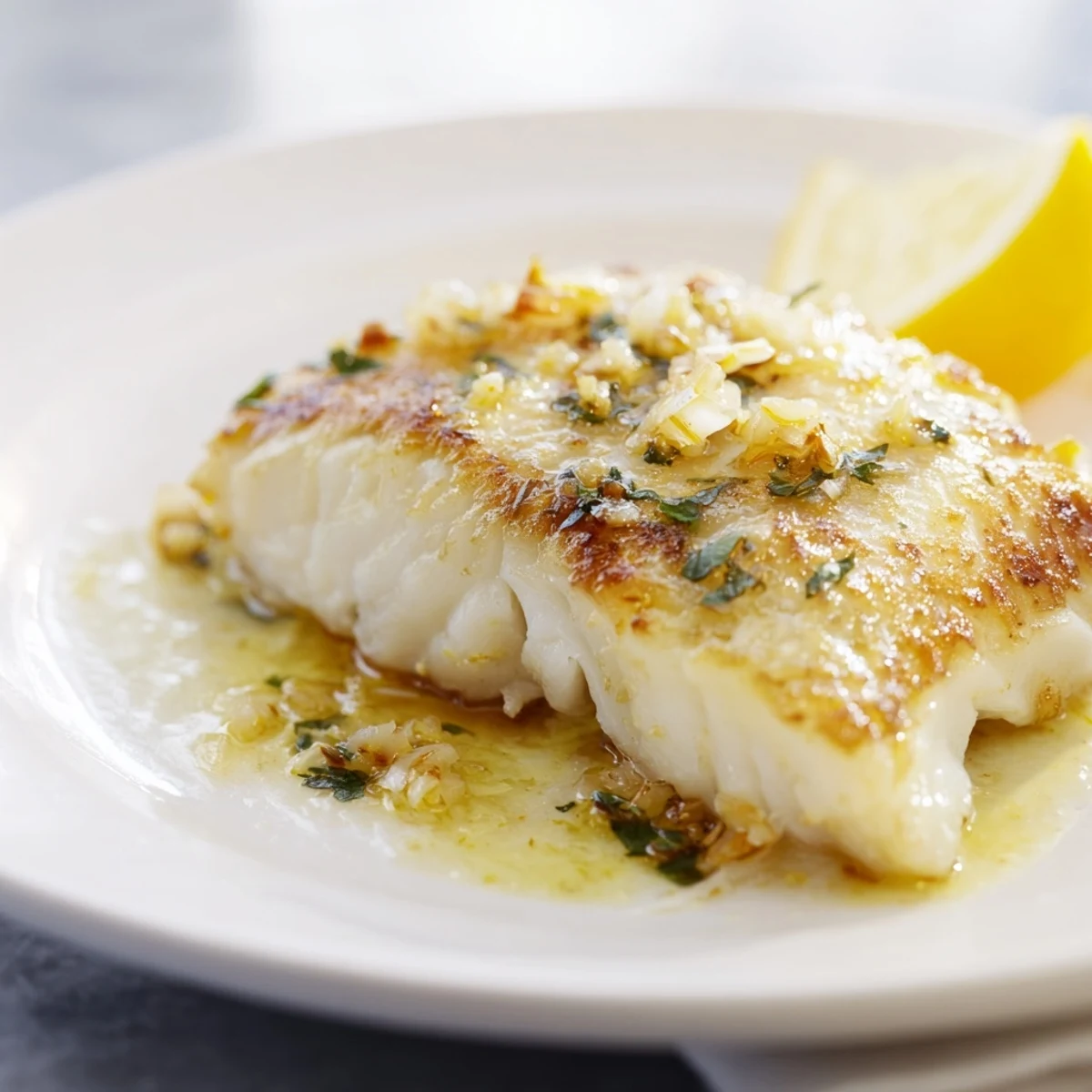
- Transfer each fillet to a warm plate and spoon the warm sauce over the top, letting it pool around the fish. Squeeze a lemon wedge over everything if you like and serve immediately while the sauce is still warm.
 Épingler
 I remember my partner tasting this for the first time and saying, 'This tastes like something from a restaurant,' and I realized right then that simple food, done carefully, is actually the most impressive kind of cooking. There's no hiding behind complicated techniques, which somehow makes it feel more genuine.
Why This Recipe Works
Cod is naturally delicate and mild, which means it needs something with personality to shine. The lemon butter sauce is that personality—acidic enough to lift the fish's flavor, buttery enough to make it feel luxurious, and garlicky enough to remind you that you're eating something real. The oven does most of the work while you're standing at the stove making the sauce, so you're never actually cooking two things at once.
Serving and Pairing
I usually serve this with something that won't fight the bright, delicate flavors—steamed broccoli, roasted asparagus, or a simple rice pilaf. A crisp white wine, something unoaked like Sauvignon Blanc or Pinot Grigio, pairs beautifully because the acidity echoes the lemon in the sauce. The meal feels complete without being heavy, which is exactly the point.
Variations and Swaps
Cod works beautifully here, but haddock, tilapia, or halibut will do just as well if cod isn't available or if you want to switch things up. Some evenings I add a small splash of white wine to the butter sauce for more depth, or a tiny pinch of paprika for color and a whisper of warmth. You could even stir in a teaspoon of Dijon mustard if you like something with more tang.
- Try adding a pinch of red pepper flakes to the sauce if you like a little heat.
- Capers or fresh dill work beautifully stirred in at the end if you want a different herb flavor.
- If you're cooking for someone with dairy restrictions, ghee or high-quality olive oil can stand in for butter without completely changing the character of the dish.
 Épingler
 This dish has become my answer to those nights when you want something that tastes like care but doesn't demand hours in the kitchen. It's the kind of meal that makes ordinary evenings feel a little bit special.
Questions fréquentes sur la recette
- → Comment savoir si le cabillaud est bien cuit ?
-
Le cabillaud est prêt lorsque la chair devient opaque et se défait facilement à la fourchette en flocons.
- → Peut-on préparer la sauce beurre citron à l'avance ?
-
Oui, la sauce peut être préparée légèrement à l'avance puis réchauffée doucement avant de servir pour préserver ses saveurs.
- → Quel accompagnement se marie bien avec ce plat ?
-
Des légumes vapeur, du riz ou des pommes de terre rôties complètent parfaitement ce plat léger et savoureux.
- → Comment remplacer le cabillaud si on n'en trouve pas ?
-
Le colin, le tilapia ou le flétan sont de bons substituts, offrant une texture similaire et un goût subtil adapté à la sauce.
- → Peut-on ajuster l'intensité du citron dans la sauce ?
-
Oui, ajustez la quantité de jus et de zeste selon votre goût pour équilibrer fraîcheur et douceur.