
 Épingler
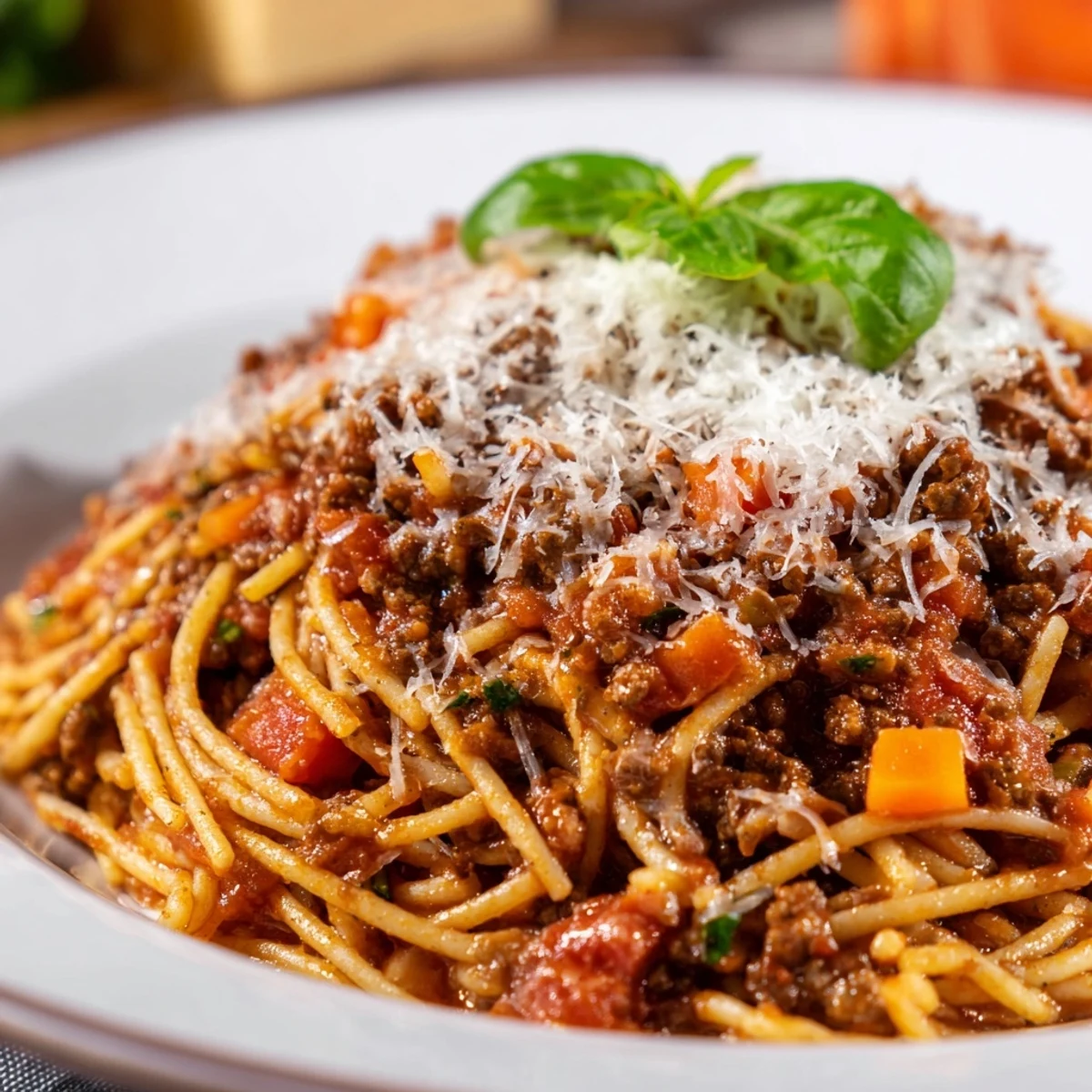
 Cette préparation met en valeur le boeuf lentement mijoté dans une sauce tomate parfumée aux herbes méditerranéennes. Des légumes finement coupés apportent douceur et texture à la base, tandis qu'un filet de vin rouge enrichit la complexité des saveurs. Le mélange est patiemment cuit jusqu'à obtenir une sauce onctueuse, idéale pour accompagner des spaghettis cuits al dente. Le plat est garni de parmesan fraîchement râpé et éventuellement de basilic frais pour une touche finale aromatique et savoureuse.
There's something about the smell of soffritto hitting hot oil that makes you stop whatever you're doing. I learned to make this Bolognese on a rainy Sunday when my neighbor casually mentioned her Italian grandmother's secret was patience and time, not fancy ingredients. She handed me a wooden spoon and said, "Watch how the sauce changes color." That afternoon taught me that the best comfort foods aren't about complexity—they're about giving yourself permission to slow down.
I made this for my partner on a night when neither of us felt like we were doing anything right. We sat at the kitchen table, twirling spaghetti on our forks, not talking much, and somewhere between the first and second bite everything felt a little lighter. That's when I realized this wasn't just dinner—it was the edible version of someone saying, "I'm here, and I made something warm for you."
Ingredients
- Ground beef (500g, 80/20 blend): The fat content matters here—it's what carries flavor and keeps the sauce silky, not greasy and thin.
- Onion, carrot, celery (the holy trio): This soffritto is your foundation; chop it fine so it melts into the sauce rather than staying chunky.
- Garlic (3 cloves, minced): Add it after the soffritto softens, or it'll burn and taste bitter.
- Olive oil (2 tbsp): Use something you wouldn't be embarrassed to eat on bread; it seasons the whole dish.
- Canned crushed tomatoes (800g): San Marzano if you can find them—they're sweeter and less acidic, which matters after an hour of cooking.
- Tomato paste (2 tbsp): This concentrate deepens the flavor and adds umami that tastes like you've been cooking for hours.
- Dry red wine (125ml): A Chianti or anything you'd actually drink; the alcohol cooks off but leaves behind complexity and body.
- Whole milk (125ml): This sounds weird but trust it—a splash of milk mellows the acidity and adds richness that makes people ask for your recipe.
- Oregano and basil (dried, 1 tsp each): Dried herbs concentrate their flavor here; fresh basil goes on at the end as a bright finish.
- Bay leaf (1): A quiet background note that you never taste directly but definitely notice if it's missing.
- Spaghetti (400g): Cook it to al dente—it should have a tiny bit of resistance when you bite it, because it'll keep cooking slightly when you toss it with the hot sauce.
- Parmesan cheese (30g, freshly grated): Never the pre-grated stuff if you can help it; it melts differently and tastes sharper.
- Salt and black pepper: Taste as you go—the sauce should make you want another spoonful.
Instructions
- Heat and soften:
- Warm the oil over medium heat until it shimmers, then add your chopped onion, carrot, and celery. Stir occasionally for 7–8 minutes until they're soft and the edges are just beginning to turn golden—this is when the vegetables release their sweetness.
- Build the flavor:
- Stir in the garlic and cook for exactly 1 minute, watching it closely so it turns fragrant but doesn't brown. You want to wake it up, not burn it.
- Brown the beef:
- Turn the heat up to medium-high and add the ground beef, breaking it apart with your spoon as it cooks. This takes about 6–8 minutes—you're looking for no pink left, and the meat should smell rich and deep.
- Deepen the color:
- Add the tomato paste and stir constantly for 2 minutes so it caramelizes slightly and loses its raw edge. This step tastes like it takes longer than it does, but it's crucial for depth.
- Scrape and simmer:
- Pour in the wine and use your spoon to scrape up all the brown bits stuck to the bottom of the pan—that's flavor that shouldn't go to waste. Let it bubble gently for 2–3 minutes so the alcohol burns off.
- Build the sauce:
- Add the crushed tomatoes, oregano, basil, and bay leaf, then season with salt and pepper. Bring it to a gentle simmer—big rolling bubbles break down the sauce too aggressively.
- Let it breathe:
- Turn the heat to low and partially cover the pan so steam can escape. Stir every 10 minutes or so and taste it as you go—after 50–60 minutes, the sauce should smell intoxicating and look darker and richer than when you started.
- Smooth it out:
- Stir in the milk and let it simmer for another 10 minutes. This sounds strange, but it's what transforms a good sauce into one that tastes like home—the milk softens any sharpness and adds body.
- Time the pasta:
- While the sauce is doing its final simmer, fill a large pot with salted boiling water and add the spaghetti. Stir it immediately so the strands don't stick together, then cook until it has just a tiny bit of bite when you chew it—usually 1–2 minutes less than the package says.
- Bring it together:
- Remove the bay leaf, then drain the pasta and either toss it gently with a portion of sauce or serve the sauce ladled generously over the top. Either way, the starchy pasta water left on the noodles helps the sauce cling.
- Finish and serve:
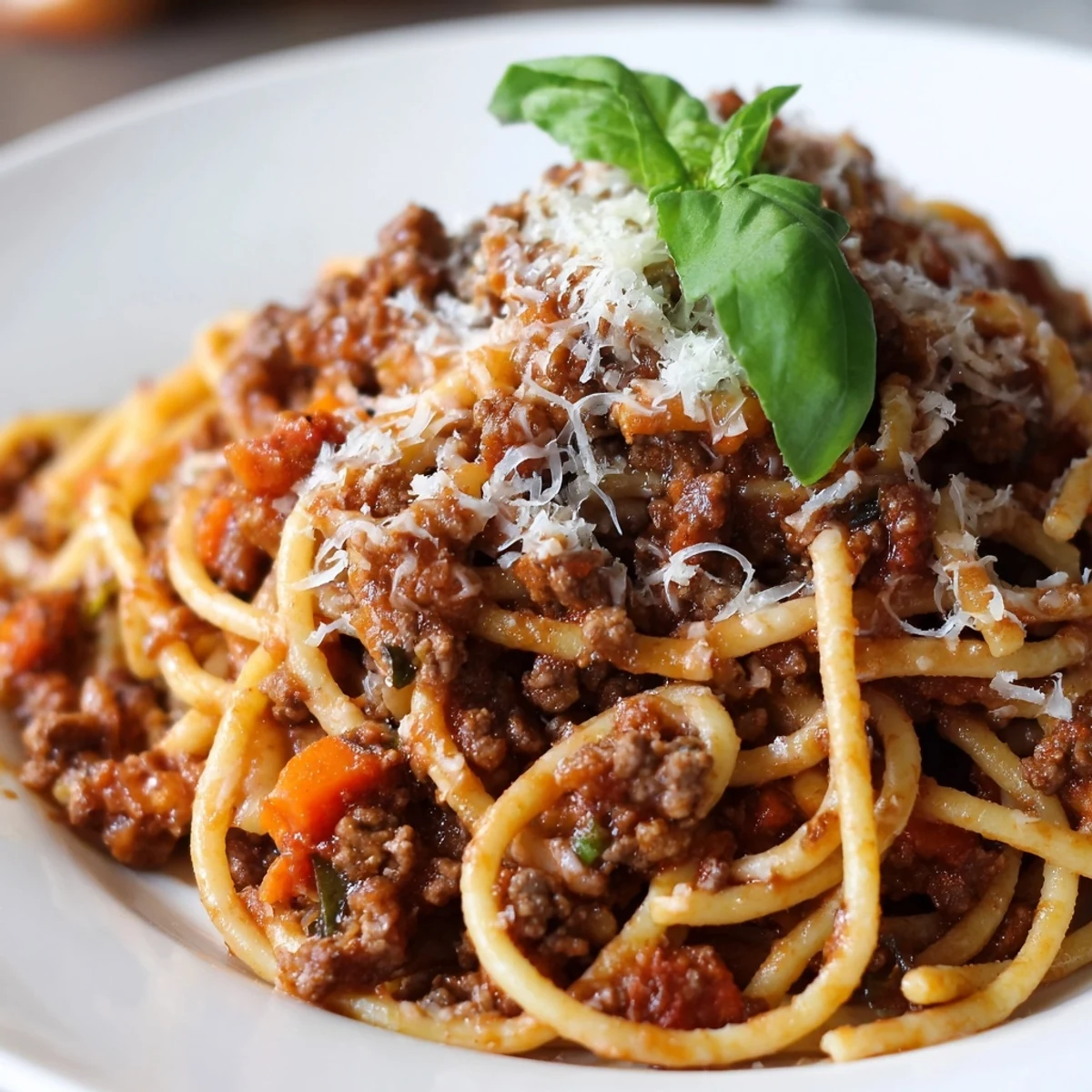
- Grate fresh Parmesan over each plate, add a few fresh basil leaves if you have them, and serve while everything is still steaming. The cheese will melt slightly into the warmth.
 Épingler
 My mom once said that Bolognese is proof that you don't need fancy techniques—you just need to show up and stir the pot. She was right. There's something almost meditative about watching a sauce transform over an hour, and the payoff is a dish that tastes like someone spent all day in the kitchen when really you just gave it time and attention.
Why This Sauce Tastes Like Home
The secret isn't a secret at all—it's the soffritto, which is just fancy Italian for "we're going to finely chop vegetables and cook them slowly until they disappear." When you do this right, the onion, carrot, and celery don't stay distinct; they meld into the oil and become the foundation that everything else builds on. That's why it tastes so much richer than a sauce made with jarred garlic or dried onion powder. You're literally building flavor from the ground up, and your kitchen will smell like it.
The Milk Was the Revelation
I used to think adding milk to a meat sauce was a mistake, something old cookbooks did before we knew better. Then I actually tried it and tasted how it rounds out the sharp edges of the tomatoes and wine, adding a subtle sweetness and richness that makes you want to keep eating. It's a traditional trick from the Emilia-Romagna region in Italy, and once you understand why it works—by coating your mouth slightly and softening the acidity—you realize it's not a random addition, it's architecture.
Making It Ahead (And Why You Should)
This sauce genuinely tastes better the next day, sometimes even two days later, because the flavors get a chance to settle and marry into something more complex than they were fresh. You can refrigerate it for up to 3 days in a sealed container, or freeze it for up to 2 months—just thaw it in the fridge overnight and reheat gently on the stovetop, adding a splash of water if it's gotten thick. On a busy night, you'll feel like a genius for making this when you had time.
- Freeze it in portions so you can pull out exactly what you need without thawing more than necessary.
- If the sauce separates after freezing (the fat and tomato look different), just stir it well over gentle heat and it'll come back together.
- Always reheat on the stovetop rather than the microwave—it heats more evenly and tastes fresher.
 Épingler
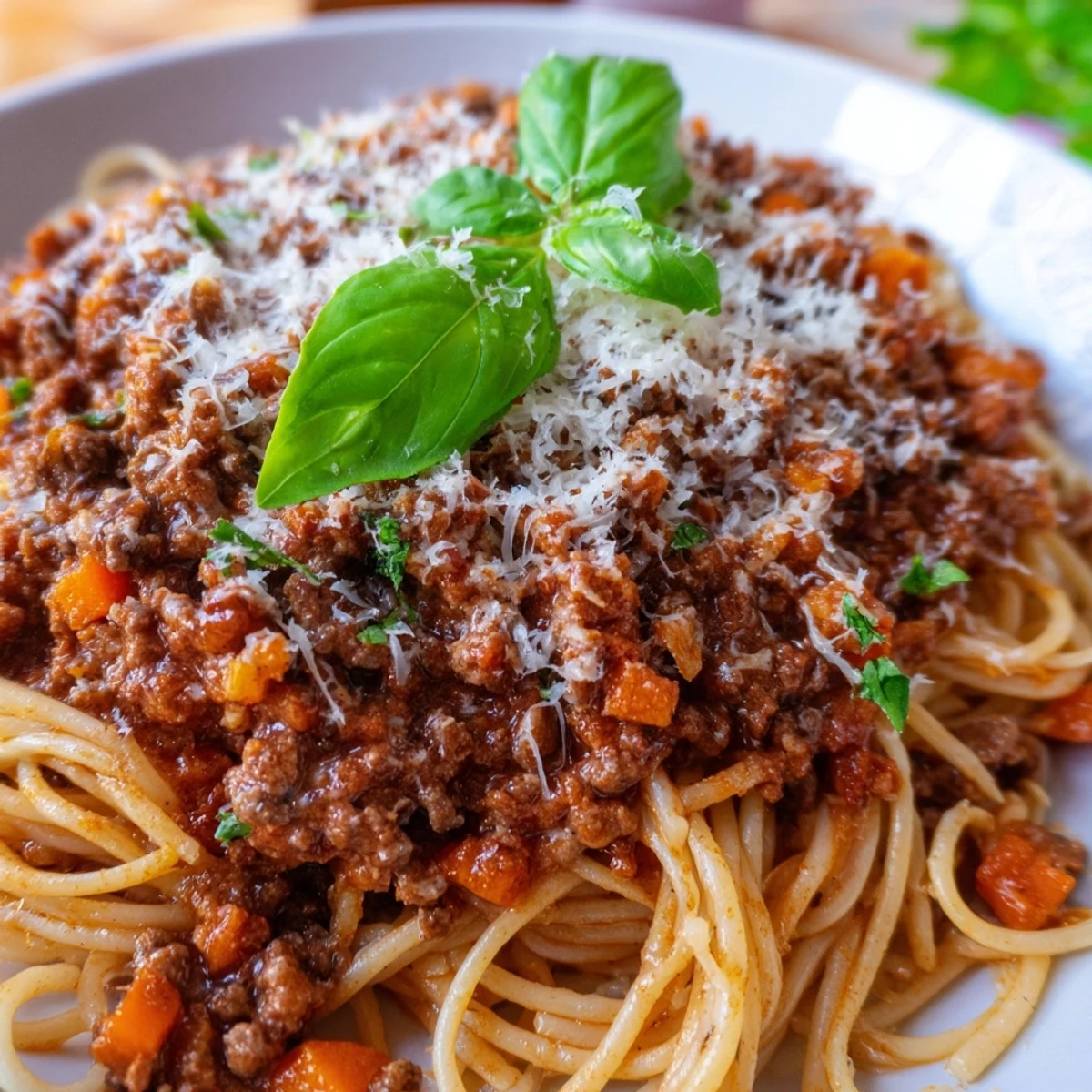
 This is the kind of meal that works on a Tuesday night or when you're feeding people you love on a Saturday. It asks almost nothing of you except time, and it gives back comfort in every bite.
Questions fréquentes sur la recette
- → Quel type de viande est conseillé pour ce plat ?
-
Un boeuf haché avec une teneur en gras autour de 20% est idéal pour assurer moelleux et richesse de saveur.
- → Peut-on remplacer le vin rouge par autre chose ?
-
Oui, un bouillon de boeuf ou d'autres jus de légumes peuvent être utilisés pour une version sans alcool.
- → Comment obtenir des spaghettis parfaitement al dente ?
-
Il faut suivre les temps de cuisson indiqués sur le paquet et goûter fréquemment pour éviter de trop cuire.
- → Quels légumes apportent le plus de saveurs à la sauce ?
-
L'oignon, la carotte et le céleri forment une base aromatique qui équilibre et enrichit le goût de la sauce.
- → Comment conserver ce plat préparé ?
-
Il peut être réfrigéré jusqu'à 3 jours ou congelé pour une conservation plus longue sans perte de saveur.